
If you’ve ever surfaced from a dive in Komodo National Park and thought, “That’s it?” — not because it wasn’t good, but because it felt too short — you’re already halfway to understanding why liveaboards exist.
Day trips are great. We run them every day, and they work.
But Komodo isn’t small. And if you’ve traveled all the way to Labuan Bajo, chances are you didn’t come for just a glimpse.
This guide is for divers considering a Komodo liveaboard for the first time; what it actually feels like, how much it costs, how it compares to a day trip, and how to choose one that fits the way you like to dive. Amare Divers will be answer.
What Is a Liveaboard, Exactly?
A liveaboard is, simply, a dive boat you live on.
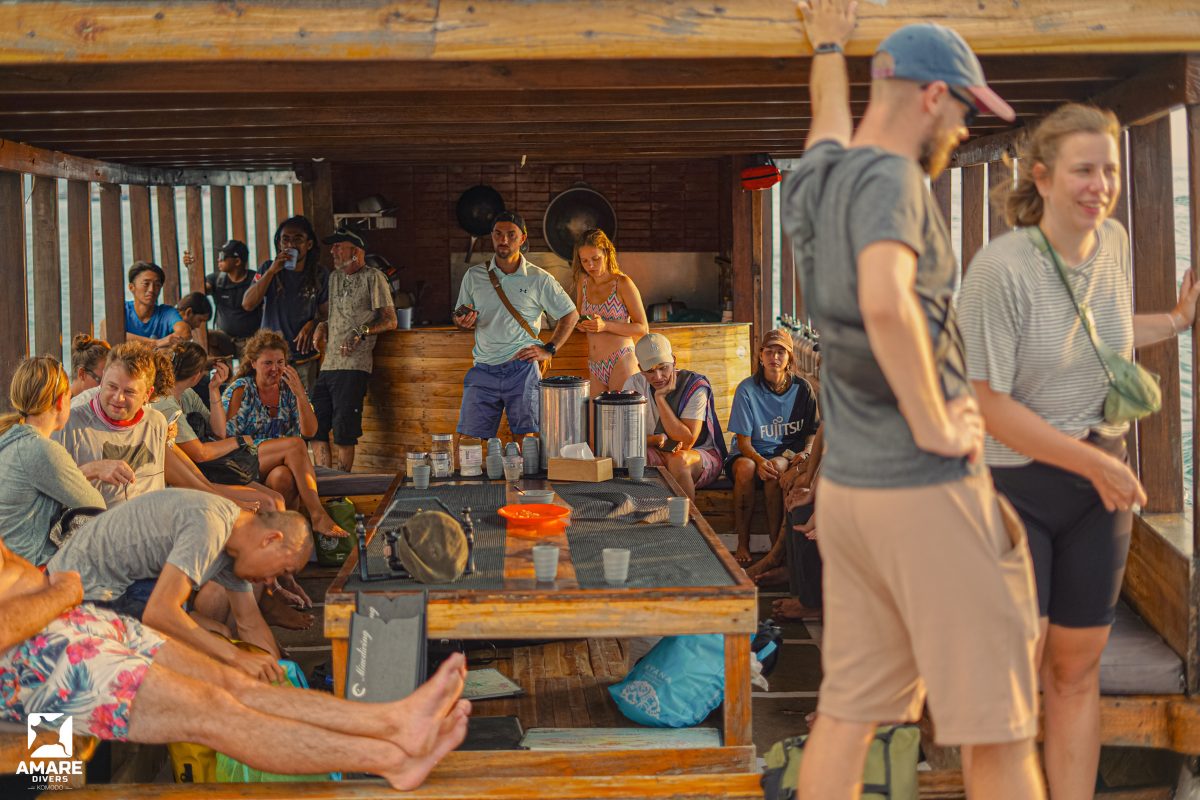
Instead of returning to land each day, everything happens onboard; your cabin, your meals, your dive briefings, and of course, your dives. The boat becomes both your base and your way of exploring.
Trips usually run 3, 5, or 7 days. You’ll dive 3 to 4 times a day — sometimes including night dives and early sunrise entries. While you rest, eat, or sleep, the boat moves. You wake up already at your next dive site.
That’s the simple definition.
What makes people fall in love with it goes a bit deeper.
What a Komodo Liveaboard Gets You That a Day Trip Cannot
More dives, in better conditions
Day trips typically leave Labuan Bajo early and return before dark, which means three dives, mostly in central Komodo. On a liveaboard, timing isn’t dictated by distance — it’s dictated by conditions. You dive when the reef is at its best.
Access to remote, iconic sites
The far north and south of Komodo National Park are simply too far for day boats. Places like Castle Rock, Crystal Rock, Manta Alley, and Cannibal Rock — these are where Komodo shows its full character.
Diving when the ocean is most alive
Early morning and sunset are when reefs come alive. Day boats rarely catch these windows because of travel time. On a liveaboard, it’s a short walk from your cabin to the dive deck — no rush, no commute.
A completely different pace
No packing, no rushing between logistics, no long transfers.
You’re not fitting diving into your day — the dive is your day.
A Typical Day Onboard
This is roughly what a day looks like on Maria Seascape. Other liveaboards differ in detail, but the rhythm is similar across the better operators.
- 06:00 — wake up, light breakfast, briefing
- 06:30 — dive 1, often the calmest light of the day
- 08:30 — full breakfast
- 10:30 — dive 2
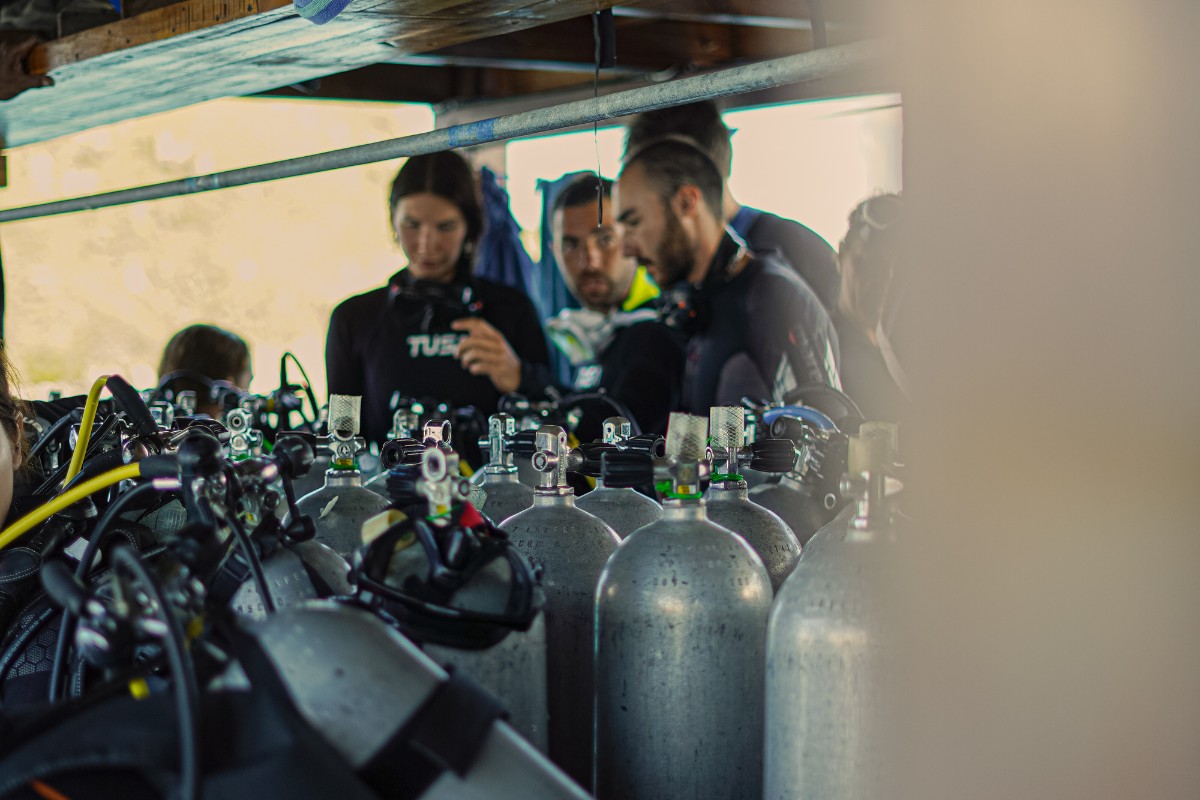
- 13:00 — lunch and surface interval, time on the sun deck
- 15:00 — dive 3
- 17:30 — dive 4 (sunset or night dive, depending on the day)
- 19:30 — dinner, debrief, sleep
It looks like a lot. In practice, the long surface intervals and lack of travel mean you finish the day less tired than after three back-to-back dives from a day boat.
How Much Does a Komodo Liveaboard Cost
Prices vary more than most people expect:
- Budget liveaboards: USD 150–250 per night
- Mid-range: USD 250–450 per night
- Premium: USD 450–800 per night
On top of that, you’ll usually pay:
- Komodo National Park fees (around IDR 1,500,000 on weekdays, higher on weekends)
- Nitrox (if you use it)
- Equipment rental (if needed)
It’s worth saying this clearly: cheaper isn’t always better.
On a liveaboard, you’re not just paying for dives — you’re paying for the boat, the crew, the food, the safety standards, and the way the entire trip is run. Cutting corners in any of those areas changes the experience more than people expect.
Komodo Liveaboard vs Day Trip and How to Choose the Right One
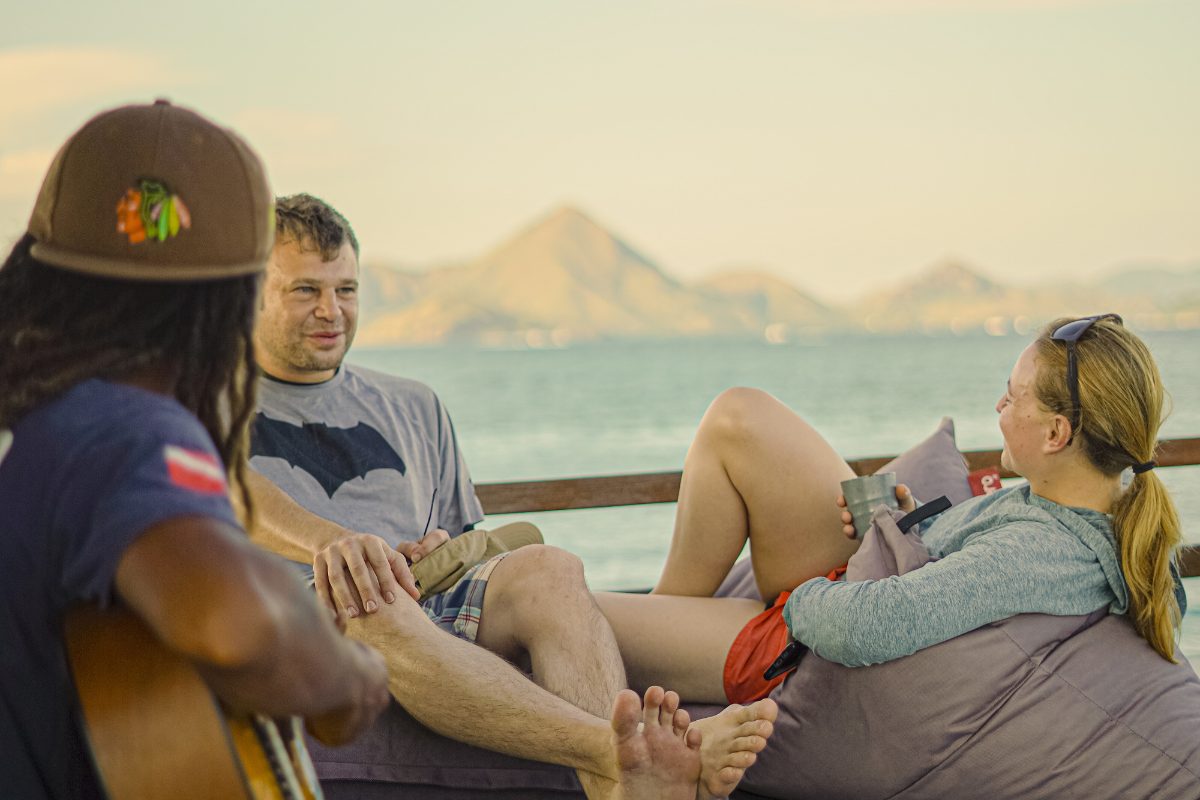
There’s no dramatic answer here; both options work in Komodo National Park. It really comes down to how you want to experience it.
A day trip makes sense if:
- You’ve only got 2–3 days in Labuan Bajo
- You’re still fairly new to diving and want to keep things easy
- You like having your evenings back on land
- Budget is part of the decision
You’ll still get good dives. It just feels a bit more like fitting Komodo into your schedule.
A liveaboard makes more sense if:
- You’ve set aside 4+ days just for diving
- You want to see more than the usual central sites
- You’d rather wake up at the dive site than spend time getting there
- Sunrise or night dives sound like part of the experience, not a bonus
- You’ve come a long way and don’t plan to come back soon
It’s less about “more dives” and more about finally having the time to let Komodo unfold properly.
If you do go liveaboard, here’s what actually matters:
- Group size
Smaller groups just feel better. Less waiting, less noise, more space in the water. - The crew
This one’s everything. Good crews read conditions, adjust plans, and make things feel effortless. - The dive deck
You’ll spend more time there than in your cabin. If it’s cramped or chaotic, you’ll notice. - Flexibility
Komodo changes by the hour. The best boats don’t follow a fixed plan; they adapt dive by dive. - Safety
Oxygen, radios, proper equipment and a crew that’s open about it when you ask. No awkward pauses.
At the end of the day, the right choice is the one that lets you enjoy the diving, not rush through it.
When Should You Go?
Komodo doesn’t really have a “bad” season — just different moods.
From April to October, it’s the classic version people imagine: drier weather, stronger currents up north, and that clear, blue visibility. Around mid-year, mantas tend to show up more consistently.
From November to March, things soften. The south of Komodo National Park becomes the focus — greener water, more plankton, and often mantas gathering around spots like Manta Alley. Some boats run shorter or adjusted routes during this time.
But more than the month, what really matters is this: Komodo changes daily.
The right liveaboard doesn’t force a plan — it follows the conditions.
And that’s usually what makes the trip memorable.
Introducing Maria Seascape
This guide isn’t just information, it also where this story starts for us.
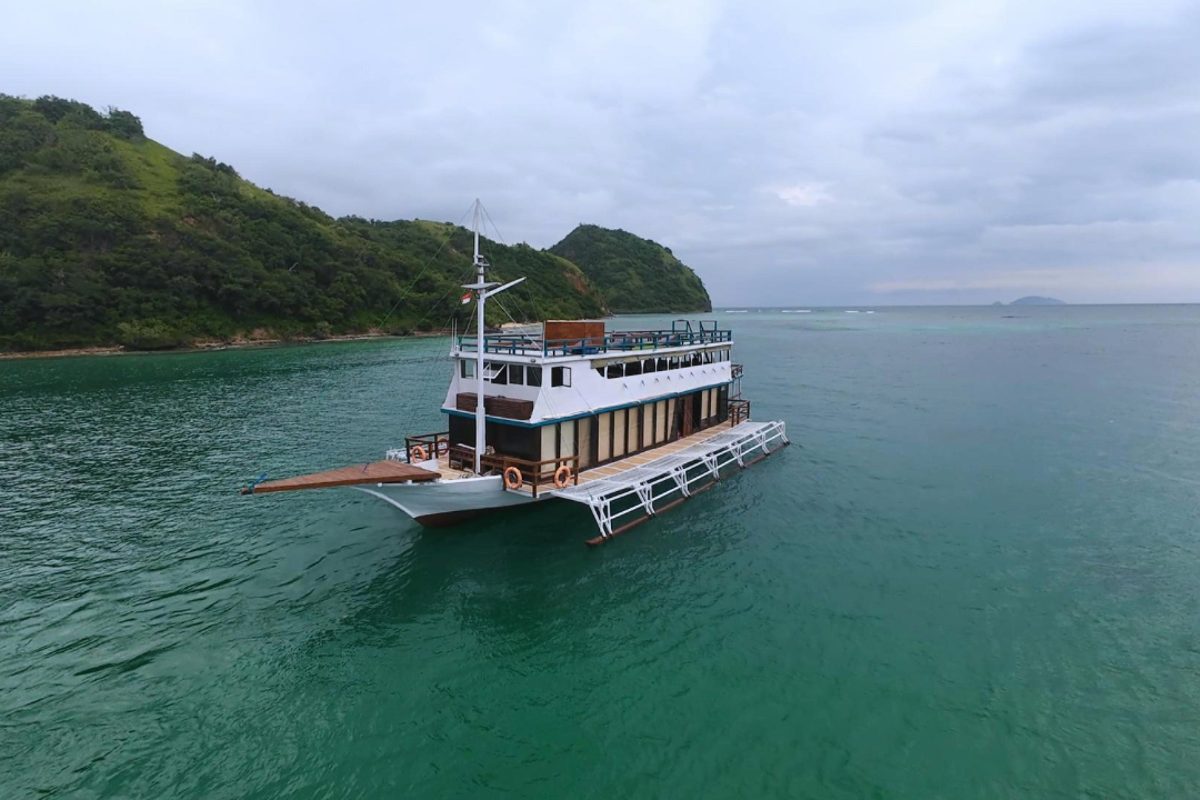
Maria Seascape is our first liveaboard, built from years of running dives in Komodo National Park and knowing exactly what we wanted to do better.
She runs 3, 5, and 7-day trips out of Labuan Bajo, with the same team behind Amare Divers; the guides many of our guests already know and trust.
We keep it small — maximum 10 guests — so dives stay personal, flexible, and unhurried. Routes aren’t fixed; they move with conditions, just like they should in Komodo.
First departures begin in June.
If you’ve been thinking about doing Komodo properly, this is the boat we built for it.
Ready to Plan Your Komodo Liveaboard Trip?
Take a look at routes, dates, and cabin layouts on the Maria Seascape page — or just message us on WhatsApp.
We’re happy to talk it through and help you figure out which trip actually fits your time and your diving level.

