
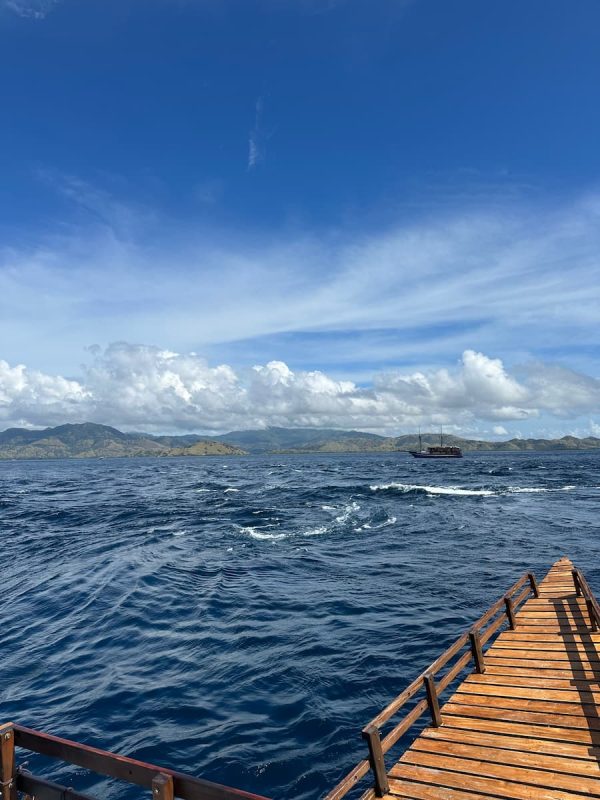
Komodo is famous for currents.
They are often talked about with excitement — and sometimes fear.
In reality, Komodo currents are not random or uncontrollable. They follow clear patterns, change with tides, and can be managed safely with the right approach. Understanding how they work makes a big difference to how relaxed and enjoyable a dive feels.
This guide explains Komodo currents in a simple, realistic way.
Why Currents Exist in Komodo
Komodo National Park sits between the Indian Ocean and the Flores Sea. These two bodies of water have different temperatures and tidal movements. As water moves between them, currents are created.
Currents in Komodo are influenced by:
-
Tides
-
Moon phase
-
Narrow channels and underwater topography
-
Depth and time of day
This is why conditions can change from one dive site to another, even on the same day.
Types of Currents Divers Experience in Komodo
Not all currents feel the same. Knowing the difference helps divers stay calm.
Mild to Moderate Current
This is the most common situation.
Divers may feel:
-
Gentle movement along the reef
-
Easy drift dives
-
Controlled finning with minimal effort
These conditions are comfortable and often enjoyable. You can improve your buoyancy and drift diving skills to have an even better current experience.
Stronger Current
Stronger currents occur at certain sites and tide phases.
In these conditions:
-
Dive timing becomes important
-
Entry and exit are planned carefully
-
Divers stay close to the reef for shelter
Strong current does not mean unsafe — it means the dive plan matters more.
Downcurrents and Upcurrents
These are less common but often discussed.
They usually occur:
-
Near walls or steep drop-offs
-
When water is forced vertically by reef structure
Good dive guides watch for signs and plan routes that avoid problem areas. Staying aware of depth and buoyancy keeps these situations manageable.
How Dive Planning Manages Currents
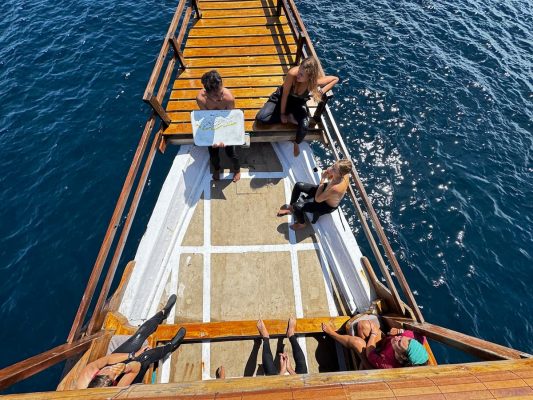
Currents are not “handled” underwater — they are managed before the dive starts.
Good planning includes:
-
Choosing the right site for the tide
-
Entering the water at the correct time
-
Using natural reef shelter
-
Adjusting dive profiles and routes
This is why local knowledge matters so much in Komodo.
What Divers Can Do Underwater
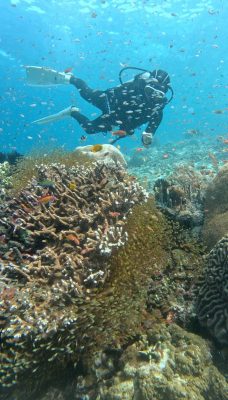
Even with good planning, diver behavior plays a big role.
Helpful habits include:
-
Slow, controlled movements
-
Staying horizontal and streamlined
-
Using the reef as visual reference, not something to hold
-
Avoiding unnecessary finning against the flow
Calm divers use less air and stay more aware of their surroundings.
Who Komodo Currents Are Suitable For
Komodo currents suit different divers in different ways while going on daily fun trips in Komodo.
They work well for:
-
Divers who enjoy drift diving
-
Those comfortable with buoyancy control
-
Divers who prefer structured dive briefings
They may feel challenging for:
-
Divers rushing back after a long break
-
Those unfamiliar with current behavior
-
Anyone feeling pressured to “keep up”
This is why choosing appropriate sites and pacing dives correctly is important.
Currents and Marine Life
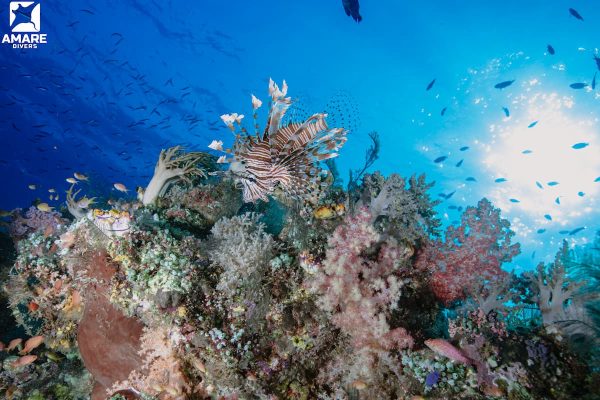
Currents are one reason Komodo has such rich marine life.
Flowing water brings:
-
Nutrients
-
Plankton
-
Oxygen
This attracts reef fish, pelagics, and larger species. Many of Komodo’s most memorable dives happen in current — when it’s approached with respect and understanding.
Komodo currents are not something to fear or chase. They are part of the environment and respond to planning, timing, and diver behavior.
With clear briefings, calm habits, and realistic expectations, diving in current becomes controlled, enjoyable, and often unforgettable.
If you’re planning dives in Komodo and want to understand how conditions are managed day by day, experienced local guidance makes all the difference, or

