
This is the complete list of the best dive sites in Komodo National Park — 20 of them, organised by region, with depth, difficulty and what you’ll actually find at each one.
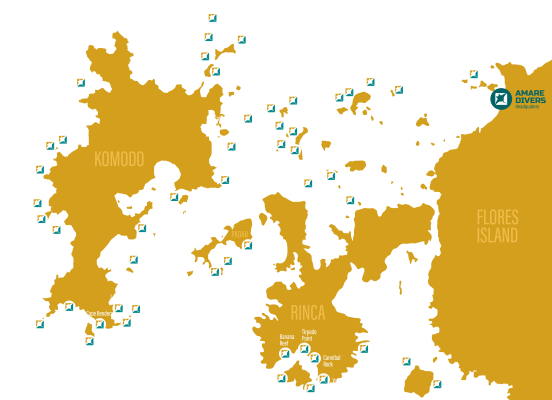
Komodo National Park has over 50 named dive sites. This list covers the 20 we’re asked about most, organised by region and how you reach them.
We wrote a longer guide to Komodo’s core sites a few weeks ago — the ones we run most often, described in depth. This is the other version: the complete list. Twenty dive sites in Komodo, organised by where they sit and how you get to them, with enough detail to know what you’re signing up for before you book.
If you want the deep dive on Batu Bolong, Castle Rock, and the rest of our regular rotation, that guide is linked below. This one is for working out the full picture — which sites exist, which region they’re in, and what experience level they need.
North Komodo: The Best Dive Sites in Komodo for Day Trips
The northern dive sites in Komodo are reachable from Labuan Bajo in 1 to 2 hours by boat and are the core of our daily trip itineraries.
Batu Bolong. A single pinnacle rising from 30 metres to just below the surface, covered in sea fans and soft coral. Continuous current keeps fish life stacked on the structure — fusiliers, surgeonfish, batfish, reef sharks at the base. Suitable for Open Water divers on calmer current days.
Castle Rock. A submerged seamount in the Gili Lawa channel. On its best days: schooling hammerheads, grey reef sharks, giant trevally, Napoleon wrasse. Current can run 3 to 4 knots. Advanced Adventurer and real current experience recommended.
Crystal Rock. Sits across the channel from Castle Rock, similar profile — exposed pinnacle, strong current, dense fish life, plus cold upwellings that drop temperature mid-dive. Often paired with Castle Rock on the same trip.
Manta Point (Karang Makassar). A shallow cleaning station on the south coast of Rinca Island. Mantas hover at 5 to 15 metres while cleaner wrasse work over them. No guarantees, but historically the most consistent manta site on the day trip circuit from April through November.
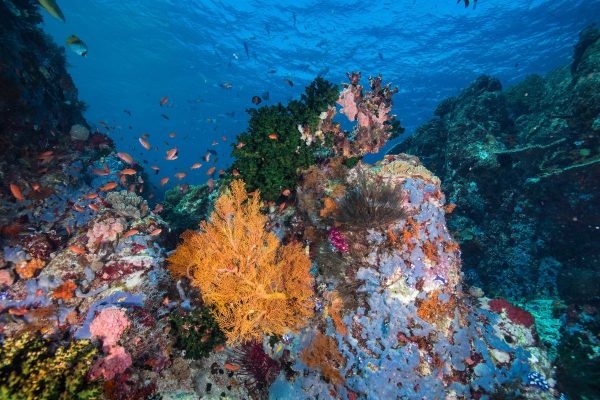
Tatawa Besar’s gentle coral slope makes it one of the more relaxed dives on the north Komodo circuit — a good contrast to the current-driven pinnacles nearby.
Tatawa Besar. A gently sloping reef with excellent coral coverage and generally mild current. A good site for photographers and less experienced divers, often used as a check-out or recovery dive between more demanding sites.
Tatawa Kecil. The smaller neighbour to Tatawa Besar, similar coral slope profile with slightly more current exposure. Good visibility on most days.
Siaba Besar. Known for turtle sightings and a resident population of garden eels on the sandy slope. Calm, easy conditions — a comfortable dive for newer divers.
Siaba Kecil. Sits near Siaba Besar, sandy slope with scattered coral bommies. Occasional current, generally moderate. Frequently combined with Siaba Besar on the same day.
Golden Passage. A drift dive through a channel with a sandy and coral bottom, known for garden eels, rays, and the occasional larger pelagic passing through on the current. Current-dependent — timing matters here.
Langkoi. A quieter reef site north of the main Gili Lawa circuit, with soft coral gardens and moderate depth. Less frequently dived than the headline sites, which usually means fewer other groups in the water.
Wainilu. A muck-diving style site known for macro life — frogfish, nudibranchs, ornate ghost pipefish. A different pace from the current-driven pinnacles, popular with photographers.
South Komodo: Liveaboard-Only Dive Sites in Komodo’s Remote Half
The southern dive sites in Komodo sit 4 to 6 hours from Labuan Bajo. A liveaboard that anchors overnight is the only practical way to dive them without losing a full day to transit.
Manta Alley. Komodo’s other primary manta site, near Komodo Island. A channel dive rather than a cleaning station — mantas use the current flow through the channel, often in larger groups than Manta Point but less predictable in exact location.
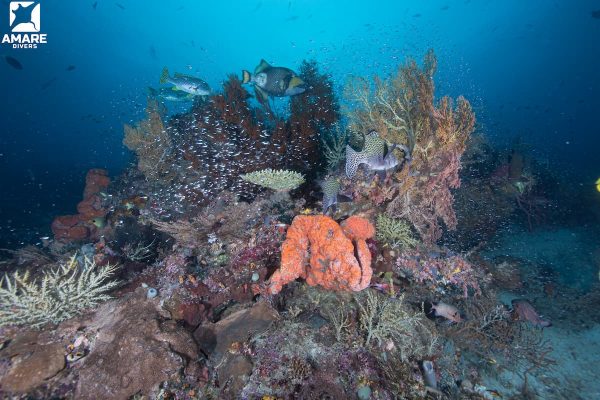
Cannibal Rock in Horseshoe Bay is dense with macro life — tunicates, nudibranchs, and frogfish are consistent finds here. This is a slow dive by design.
Cannibal Rock. In Horseshoe Bay on Rinca’s south coast, sheltered water, exceptionally biodiverse. Hairy frogfish, ornate ghost pipefish, pygmy seahorses, and cuttlefish are consistent finds. Macro photographers come to Komodo specifically for this site.
Three Sisters. Three pinnacles in the south, each encrusted in hard coral, with schooling fish aggregations. Portions run below 30 metres — Advanced Adventurer minimum.
Pillarsteen. Near Three Sisters, known for schooling fish and manta activity during peak season. Similar depth and certification requirements to Three Sisters.
Torpedo Point. A current-swept site named for its torpedo (electric) ray sightings, along with reef sharks and schooling fish on the current side. Best dived on the slack or building current, not at peak flow.
Dive Sites Labuan Bajo: Outside the Park Boundary
These sites sit within 15 to 30 minutes of Labuan Bajo and are outside the Komodo National Park boundary, so there’s no park permit fee. They are the easiest dive sites in Komodo waters to fit around a travel day.
Sebayur. A reef system with strong coral coverage and conditions suitable for beginners and snorkellers. Commonly the afternoon dive on our Coral Kalong evening trip.
Bidadari. A wall and reef site used mainly for night dives — strong macro life after dark, including octopus and sleeping reef fish. The night dive stop on the Coral Kalong trip.
Mawan. A small, calm bay with a sandy bottom and coral patches — an easy dive and a popular check-out site for newly certified divers or a relaxed afternoon between more demanding trips.
Police Pier. A shallow site near Kanawa with structure and macro life around the pier pilings — an easy, low-current dive suited to beginners and check dives.
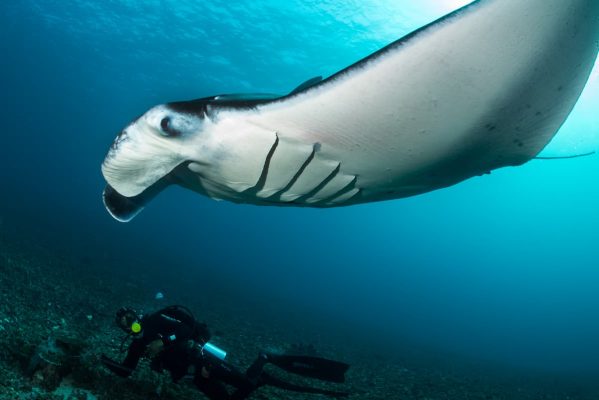
Manta Point sits on the day trip circuit — the most consistent manta site you can reach without an overnight boat.
Komodo Dive Sites List: Quick Reference
The same 20 dive sites in Komodo at a glance, if you’re comparing regions rather than reading site by site.
| Region | Sites | Access |
|---|---|---|
| North Komodo | Batu Bolong, Castle Rock, Crystal Rock, Manta Point, Tatawa Besar, Tatawa Kecil, Siaba Besar, Siaba Kecil, Golden Passage, Langkoi, Wainilu | Day trip, 1–2 hours |
| South Komodo | Manta Alley, Cannibal Rock, Three Sisters, Pillarsteen, Torpedo Point | Liveaboard only, 4–6 hours |
| Near Labuan Bajo | Sebayur, Bidadari, Mawan, Police Pier | 15–30 minutes, no park fee |
What Experience Level Do You Need?
Not all dive sites in Komodo suit every certification level. Here is how the 20 break down.
Open Water certified: Batu Bolong (calmer days), Manta Point, Tatawa Besar, Siaba Besar and Kecil, Sebayur, Bidadari, Mawan, Police Pier.
Advanced Adventurer: Castle Rock, Crystal Rock, Three Sisters, Pillarsteen, Torpedo Point, and any site where current or depth is a genuine factor. The SSI certification levels we teach line up directly with this list.
Experienced current divers: Castle Rock and Crystal Rock at peak current, Golden Passage on a strong drift.
Day Trip or Liveaboard: Which Dive Sites in Komodo Can You Reach?
Day trips from Labuan Bajo cover the north Komodo sites in this list — Batu Bolong through Wainilu — plus the near-Labuan Bajo sites outside the park. That’s 15 of the 20 sites here, reachable without an overnight trip.
The remaining 5 — Manta Alley, Cannibal Rock, Three Sisters, Pillarsteen, and Torpedo Point — sit in south Komodo and require a liveaboard. The Maria Seascape 4-day itinerary is built specifically to cover both halves of the park in one trip.
Not sure which half you want? If it’s your first time in the park, the northern dive sites in Komodo give you the range — pinnacles, drift, mantas and macro — in a single day. South Komodo is worth the overnight when macro or manta aggregations are the reason you came.
Frequently Asked Questions
How many dive sites are there in Komodo National Park?
There are over 50 named dive sites in Komodo National Park, though the number regularly dived commercially is smaller. This list covers the 20 that come up most often in trip planning.
Do all 20 sites require a liveaboard?
No. 15 of the 20 sites on this list are reachable on a day trip from Labuan Bajo. Only the south Komodo sites — Manta Alley, Cannibal Rock, Three Sisters, Pillarsteen, and Torpedo Point — require an overnight liveaboard.
Which site is best for a first Komodo dive?
Batu Bolong on a calmer current day, or Tatawa Besar for a gentler introduction. Both give a good sense of Komodo’s coral and fish life without the current demands of Castle Rock or Crystal Rock.
Which are the best dive sites in Komodo for macro photography?
Cannibal Rock and Wainilu are the two macro-focused sites on this list. Both reward slow, careful diving over a small area rather than covering ground.
Which are the best dive sites in Komodo for manta rays?
Manta Point on the day trip circuit and Manta Alley in the south. Manta Point is the more consistent of the two and far easier to reach; Manta Alley can hold larger groups but sits behind an overnight boat ride.
How do I know which sites are right for my certification?
Tell us your certification level and dive experience when you book and we’ll put together a site list that matches — either for a day trip or across a Maria Seascape itinerary. Send us a message on WhatsApp with your details and we’ll give you a straight answer.
Ready to dive Komodo?
Tell us your certification level and dates — we’ll match the sites to your experience.

