
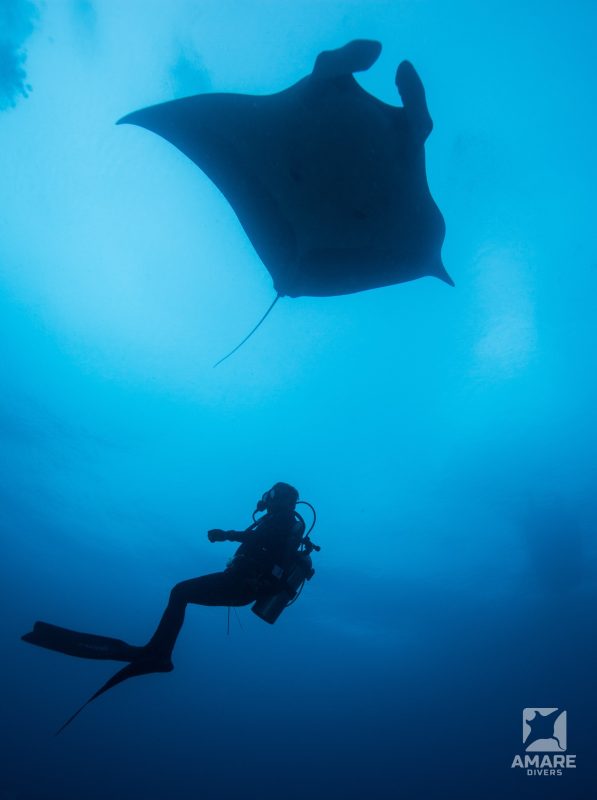
An uncalibrated route plan will compromise your underwater encounters. Master the precise hydrodynamic profiles and operational itineraries required to maximize your manta diving liveaboard Komodo experience.
If you’re planning a manta diving liveaboard Komodo expedition specifically for manta rays, you’re not alone — they’re one of the main reasons experienced divers keep returning to this park. But there are two distinct manta sites in Komodo with different seasonal patterns, different depth profiles, and different dive characters. Choosing the wrong itinerary means you miss one or both of them.
This comprehensive guide covers what the actual manta season Komodo window looks like, how Manta Point and Manta Alley differ from each other, which Maria Seascape liveaboard itinerary gives access to each site, and critical guidelines you need to know before booking your Labuan Bajo diving trip.
The Two Main Sites for Manta Diving Liveaboard Komodo
Komodo National Park features two primary manta ray diving zones: Manta Point (Karang Makassar) in Central/North Komodo near Rinca Island, acting as a shallow cleaning station, and Manta Alley in the extreme South of Komodo Island, operating as a deep, high-current feeding aggregation channel.
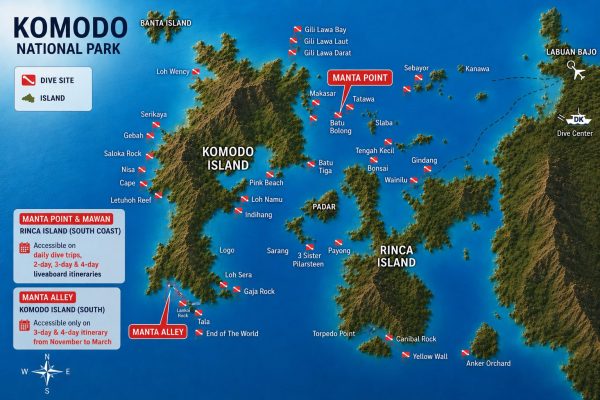
When scheduling a manta diving liveaboard Komodo excursion, it is vital to understand that the park’s topography splits into distinct micro-climates. These separate zones govern how, where, and when the mantas cluster.
Manta Point — Rinca Island, North Komodo
Cleaning Station
Manta Point Komodo is a famous marine cleaning station positioned near the south coast of Rinca Island, in the central-northern sector of the sanctuary. Elegant reef mantas venture to this shallow gravel reef to let cleaner wrasses strip parasites from their dermal tissue across a sequence of dynamic shallow pinnacles.
The depth profile sits between 5 to 15 metres, optimizing ambient light penetration and making it exceptionally welcoming for Open Water certified divers and photographers on a manta diving liveaboard Komodo trip. The behavioral traits here remain composed and steady; instead of cruising rapidly past, the rays cycle repeatedly or hover motionless above the cleaning blocks.
Manta Alley — South Komodo
Feeding Site
Conversely, Manta Alley Komodo diving uncovers a wilder, high-velocity experience located within the deep crags of South Komodo Island. This is not a static cleaning hub, but a vital planktonic feeding channel where powerful, cold swells push vast fields of nutrient-rich zooplankton up from the deep.
The wildlife behaviour here is fast-paced and majestic: rays swim in tight trains against surging tidal streams, often appearing in significantly larger raw schools. While depths stay within 5 to 20 metres, the currents run with much greater force than at Rinca, making this site best suited for seasoned current-drift divers who choose an extended manta diving liveaboard Komodo deployment.
Analyzing the Core Manta Season Komodo Patterns
Manta rays inhabit Komodo National Park permanently as resident marine fauna. Peak predictable tracking shifts based on localized water transparency levels, surface disruptions, and thermal variances between the April–November dry season and December–March monsoon periods.
Because these majestic filter feeders are localized residents rather than migratory travelers, you can reliably expect encounters throughout the year. However, organizing a master-tier manta diving liveaboard Komodo itinerary means timing your trip to line up with specific oceanic trends that dictate the absolute peak manta season Komodo windows.
Historical Encounter Metrics By Season
95% Encounter Probability
55% Encounter Probability
April to November (Dry Season Peak)
This operational period marks the true cornerstone of the manta season Komodo. Trade winds drive pristine oceanic water currents straight into the northern and central reefs, elevating underwater visibility upwards of 15 to 25+ metres. During the intense June to September stretch, Manta Point Komodo acts as a highly active hub where cleaning behaviors occur with daily rhythm, matching perfectly with luxury liveaboard itineraries.
December to March (Wet Monsoon Season)
During the west monsoon, heavy surface swells and sudden shifts in water clarity can make open cleaning stations harder to predict. While massive upwelles can sometimes trigger dense feeding feeding aggregations down at Manta Alley Komodo diving sites, rough surface chops and tricky mooring conditions mean these remote southern boundaries are rarely practical to target as a primary trip focus during the winter months.
Diurnal Hydrodynamic Timing
At Manta Point Komodo, morning slots remain your best opportunity. Station cleanings peak early before sunlight changes thermal conditions or heavy midday boat traffic alters ray behavior. In contrast, Manta Alley operates strictly on incoming tidal cycles, where water movement matters far more than the time of day.
Honest Wildlife Reality Check
Mantas are wild pelagics moving through an open ocean system. No ethical, high-quality operator will ever offer absolute encounter guarantees. However, aligning your trip dates with the dry mid-year window places your vessel in the right spot under premium conditions to maximize your sighting odds.
Booking Your Manta Diving Liveaboard Komodo: Itinerary Matrix
Selecting a liveaboard routing parameters maps directly to total operating hours. Central profiles cover Manta Point dynamically; specialized tactical deployments are required to hit southern limits like Manta Alley.
To make sure you get exactly what you want from your manta diving liveaboard Komodo trip, Amare Divers manages three customized route profiles aboard the Maria Seascape. Each path is mapped to fit different vacation windows, current comfort levels, and specific destination goals.
| Itinerary Profile | Dive Volume | Site Architecture Access | Target Operational Capability |
|---|---|---|---|
| 2D/1N (DC2) | 6 Dives | Central Komodo (Route-Dependent) | A fast-paced Central Komodo liveaboard itinerary that includes Manta Point Komodo depending on day-of wind vectors and water conditions. Ideal for travelers with tight timelines who want to experience a high-quality short liveaboard run with a strong chance of hitting a key cleaning station. If your singular goal is manta rays, please check route priorities with our team when booking. |
| 3D/2N (DW3) | 9 Dives | Central + North Focus (Manta Point Confirmed) | Our most requested and balanced Maria Seascape itinerary. It curves cleanly through the heart of the park to guarantee dedicated drops at Manta Point alongside iconic northern sites like Castle Rock and Crystal Rock. This trip is the premier choice for sport divers who want reliable manta encounters woven into a world-class, multi-day drift diving adventure. |
| 4D/3N (COM4) | 13 Dives | Total Park Sweep (Point & Alley Confirmed) | The definitive journey for maximum manta exposure. This advanced route sweeps across both North and Southern borders to lock in deep dives at both Manta Point and Manta Alley Komodo diving channels. This immersive 13-dive run requires solid physical fitness and comfort in currents, making it the perfect choice for divers seeking large feeding congregations deep in the southern zones. |
Beyond Mantas: What Else You Will Dive in Komodo
Beyond key manta encounters, a standard 3-day or 4-day Komodo liveaboard expedition hits world-class pelagic seamounts including Castle Rock and Crystal Rock, alongside high-density pinnacle coral structures like Batu Bolong.
While giant rays are often the main draw for booking a manta diving liveaboard Komodo cruise, the park’s dynamic currents feed a massive array of diverse marine habitats. Our multi-day itineraries ensure you experience these legendary, high-energy pelagic highlights:
Castle Rock
A massive submerged pinnacle exposed to intense open-ocean currents. This site acts as an underwater magnet for deep schooling batfish, giant trevallies, and chevron barracudas, with near-constant white-tip reef sharks and occasional thresher sharks cruising the drift line.
Crystal Rock
Located close to Castle Rock, this striking topological site breaks the surface at low tide. It features incredible visibility and healthy coral gardens that host heavy schools of anthias, sweetlips, and pelagic predators hunting along its sheer, current-swept outer walls.
Batu Bolong
A legendary underwater rock pinnacle dropping into deep water. It is covered in one of the densest, most vibrant soft coral and giant sea fan communities in Southeast Asia, creating an unforgettable backdrop for wide-angle reef photography.
Pillarsteen
An excellent dive alternative chosen during specific wet season phases. It offers a labyrinth of cool swim-throughs, rugged canyons, and vertical drop-offs that harbor large colonies of colorful tunicates and unique reef organisms.
Advanced Underwater Photography Tips for Manta Rays
Capturing these fast-moving pelagics on your manta diving liveaboard Komodo trip requires the right gear setup and smart camera calibration. Follow these essential field tips for the best results:
Optics & Structural Composition
Wide Angle is Essential: With wingspans reaching 4 to 5 metres, a standard macro lens simply won’t work. Equip a high-grade fisheye lens or an ultra-wide dome port to frame the animals properly without backing too far away.
Smart Positioning: Never chase or swim directly above a ray. Position your body slightly lower than the cleaning pinnacle, remain steady, and let their natural curiosity bring them directly into your lens frame.
Lighting Profiles & Action Cameras
No Strobes at Manta Point: High-powered flashes disorient cleaning rays and can cause them to abandon the station. Stick to ambient light profiles at Manta Point. Dual strobes are fine at Manta Alley, where active feeding behavior makes them less sensitive.
Action Camera Tuning: Lock your GoPro into its widest digital lens mode. Mount it to a steady hand tray and focus on watching the animal with your own eyes rather than staring at the LCD screen for smooth, natural footage.
Marine Conservation Standards in Komodo National Park
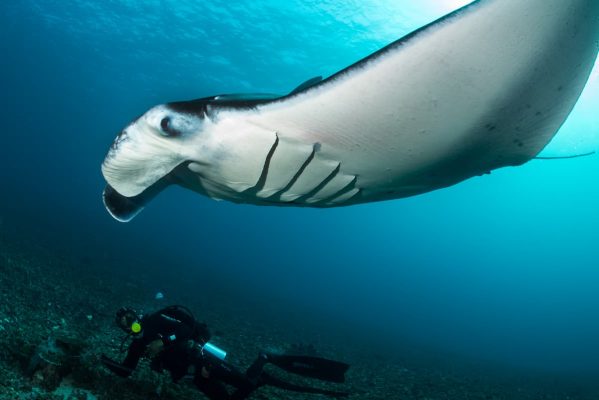 Conservation briefing is part of every dive at manta sites on Maria Seascape. No touching, no flash photography, no blocking the manta’s path — the encounters exist because operators and divers have maintained standards over many years.
The reef mantas (Mobula alfredi) you encounter are currently classified as vulnerable on the official IUCN Red List and are fully protected under strict Indonesian maritime law. Maintaining these spectacular encounters means every diver joining our manta diving liveaboard Komodo expeditions must strictly follow these core environmental rules:
- ✓ Absolute zero physical contact; never chase or pursue an animal that is peeling away.
- ✓ No artificial strobe photography within active cleaning perimeters at Manta Point.
- ✓ Avoid swimming directly above a ray or blocking its clear path of travel.
- ✓ Maintain perfect neutral buoyancy; never kick up bottom sediment with your fins.
- ✓ Maintain a strict minimum safety distance of 3 metres from the marine life at all times.
These boundaries are essential for protecting the ecosystem. The reliable encounters we enjoy today at Manta Point and Manta Alley are the direct result of dive operators and guests following these rules for years. We take this responsibility seriously and expect all our guests to do the same.
Frequently Asked Questions
When is manta season in Komodo?
▼
What is the difference between Manta Point and Manta Alley in Komodo?
▼
Can beginners dive with manta rays in Komodo?
▼
Are manta sightings guaranteed in Komodo?
▼
How many mantas can you see in one dive?
▼
Lock In Your Peak Manta Alignment
Planning a trip specifically around manta season? Send us a message on WhatsApp with your target dates and we’ll tell you honestly which itinerary makes sense for what you want to do.


Pingback: Komodo Dive Sites: 10 Best Spots You Must Experience