
Table of Contents
Best Months to Dive Komodo: Ultimate 2026 Guide to Peak Season
The most common question from scuba enthusiasts planning an Indonesian underwater adventure is always the same: “When should I go?”
The honest answer is far more layered than simply choosing the standard dry season window. The park is vast, showcasing distinctly contrasting current patterns between its northern and southern boundaries. The absolute best months to dive Komodo depend entirely on what type of marine life you are targeting, your comfort level with currents, and your preferred sea conditions.
This definitive resource covers the complex Komodo diving season month by month. We break down historical visibility shifts, seasonal water temperatures, site accessibility, pelagic migrations, and the core differences you will encounter on the water.
Whether you plan to book short excursions or multi-day voyages from Labuan Bajo, choosing the perfect best time to dive Komodo 2026 window ensures you align your trip with peak underwater action.
Understanding the Dynamic Komodo Diving Season
Komodo sits at a critical geographic bottleneck between the warm Flores Sea to the north and the deep, cold Indian Ocean basin to the south. This position at the junction of major Indonesian islands creates massive marine energy as shifting ocean currents squeeze through the park’s channels.
The regional monsoon cycles drive two distinctly contrasting seasons. These periods dictate everything from daily surface chop and underwater visibility to the behavioral patterns of large filter feeders.
The Dry Season (May–October)
During these months, strong southeast winds dominate the region. This creates highly favorable, calm surface conditions across the northern crossings from Labuan Bajo. At the surface, water temperatures typically hover between 22°C and 26°C. However, deep upwellings frequently introduce sudden thermoclines that drop temperatures down to 18°C at depth, especially at prominent sites like Castle Rock.
Visibility hits its annual peak during this window, regularly clearing to a crisp 15 to 30 meters at northern dive sites. This period represents the absolute heart of the best months to dive Komodo calendar, delivering world-class clarity and maximum pelagic aggregations.
The Wet Season (November–April)
As the monsoon shifts, northwest winds take over the archipelago. This shift creates rougher surface conditions, particularly on the exposed crossings from the harbor out to northern reef structures. On the plus side, the water warms up significantly to a comfortable 27°C to 30°C range, meaning a thin 3mm wetsuit is usually all you need.
Nutrient-rich plankton blooms become common during these months. While this naturally reduces overall horizontal visibility, it acts as a massive food magnet for filter-feeding giants. If you are wondering when to dive Komodo for quiet sites and massive feeding frenzies, this window offers distinct advantages, particularly in the highly sheltered southern sectors.
Month-by-Month Breakdown: When to Dive Komodo
January and February
This is the true peak of the wet monsoon season. Water temperatures remain warm at 28°C to 30°C, but visibility at northern sites can drop to a challenging 5 to 15 meters during plankton blooms. Surface crossings out of Labuan Bajo frequently encounter 1 to 2-meter swells, making day boat travel less comfortable.
-
Strategic Insight: While this isn’t the ideal window for a first-time visitor, experienced divers can find incredible value. The remote southern sites—including Three Sisters, Pillarsteen, and Manta Alley—are highly sheltered from northwest winds during these months, yielding excellent macro opportunities and resident pelagic encounters without the peak-season boat crowds.
March and April
A classic shoulder transition period. Conditions improve rapidly week by week as the northwest winds begin to die down. Water temperatures begin their gradual drop from mid-summer highs, and visibility starts to clear significantly in the north.
-
Strategic Insight: April stands out as a highly underrated month to visit. The diving quality approaches peak-season levels, the islands are lush and green, and the dive sites are incredibly quiet compared to the summer rush. Mantas also begin aggregating reliably at central cleaning stations during this time.
May
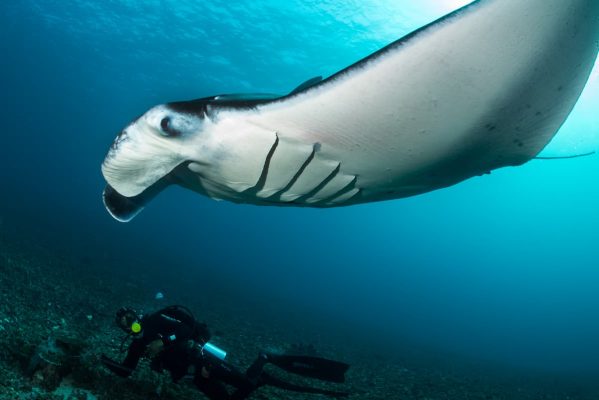
The dry season officially establishes its footprint in May as steady southeast breezes take over. Water temperatures range comfortably between 24°C and 27°C. Manta activity begins to ramp up significantly around central sites like Karang Makassar (Manta Point), and the sweeping currents at Castle Rock become highly reliable, drawing in massive schools of hunting trevally.
June
June marks the official opening of the peak Komodo diving season window. Visibility consistently holds between 15 and 25 meters across northern sites, and water temperatures range from 22°C to 26°C.
Vast schools of batfish, barracuda, and jacks blanket the pinnacles at Crystal Rock, while white-tip and black-tip reef sharks patrol the depths on nearly every single dive. Drift diving conditions become highly predictable, making it an excellent time to explore the entire length of the park.
July
Widely recognized by local divemasters as the single best month for optimal underwater conditions. July brings maximum horizontal visibility and spectacular pelagic action. Because it is the peak of the travel season, popular pinnacles like Batu Bolong can get busy.
-
Strategic Insight: To maximize your experience, look for operators that plan early morning departures to beat the day-boat rush. July is also historically the most reliable month for spotting schooling hammerhead sharks rising out of the deep thermoclines at the park’s outer edges.
August
The dry season conditions continue with excellent visibility across the board. However, ocean upwellings intensify during August, causing water temperatures to drop sharply at depth. This is true 5mm wetsuit territory for anyone planning multiple dives a day. Pelagic hunting action is incredibly intense during this month as reef sharks and giant trevallies capitalize on baitfish aggregations.
September
As the peak summer travel rush winds down, September offers a fantastic sweet spot for visiting divers. You get all the benefits of the dry season—including excellent clarity and reliable manta encounters—but with significantly fewer boats anchoring at key sites. The water also begins a gradual warming trend at the surface.
October
This month serves as the final transition phase back toward the wet monsoon. Weather patterns can vary from week to week, alternating between mirror-flat calm days and occasional afternoon downpours. The dive sites are uncrowded, mantas remain highly active at central cleaning stations, and the water temperatures lean warmer. It is an excellent choice for travelers who prefer a relaxed pace and flexible itineraries.
November
November is a classic shoulder month defined by variable conditions. While you can still catch spectacular diving days with clear water, you must be prepared for occasional low-visibility days and shifting surface swells.
-
Strategic Insight: Avoid booking a rigid itinerary that relies on reaching one specific site. Instead, choose experienced crews who excel at adjusting their daily routes based on real-time water movement.
December
The wet season returns in full force. While northern sites experience lower visibility and higher surface movement, the southern sectors of the park become highly accessible and productive. December is an excellent match for veteran divers who have already checked off the standard northern pinnacles and want to explore the park’s deeper, current-sheltered southern reefs.
Water Temperature & Exposure Protection
One of the most unique aspects of the best time to dive Komodo 2026 environment is the dramatic temperature variance you can experience on a single boat trip. The park is divided into two distinct thermal zones:
| Regional Zone | Average Temperature Range | Recommended Exposure Suit |
| Northern & Central Sites (e.g., Crystal Rock, Shotgun) | 24°C – 29°C (Drops to 18°C in thermoclines) | 3mm to 5mm Full Wetsuit + Hood |
| Southern Protection Sites (e.g., Manta Alley, Cannibal Rock) | 22°C – 25°C Year-Round | 5mm Full Wetsuit + Neoprene Vest |
Even during the warmest summer months, deep ocean upwellings can instantly drop the temperature by 5°C once you descend past the thermocline. For multi-dive days, proper exposure protection is essential to prevent core body cooling.
Visibility Dynamics Across the Archipelago
Horizontal clarity in Komodo is dictated by tidal movement and plankton density rather than simple rainfall patterns.
-
North Park Dry Window (May–Oct): Expect reliable 15 to 30-meter visibility. The incoming water from the Flores Sea is clear, blue, and oceanic.
-
South Park Dry Window (May–Oct): Visibility averages 10 to 20 meters. The water is highly rich in nutrients, which slightly lowers horizontal clarity but heavily fuels the growth of vibrant soft corals.
-
Wet Monsoon Window (Nov–Apr): Visibility shifts to a 5 to 15-meter range across the north due to seasonal plankton blooms. However, this drop in clarity is precisely what draws massive groups of feeding manta rays into the shallows.
Day Trips vs. Liveaboards: Maximizing Your Itinerary
Choosing how to structure your time on the water is just as important as choosing the right month to visit.
Speedboat day trips out of Labuan Bajo run year-round and offer an efficient option for travelers who want to sample the park’s core central sites while staying in a hotel on land. They are a practical choice if you are short on time or traveling with non-divers.
However, a dedicated liveaboard cruise is the ultimate way to experience the region. Spending several nights onboard offers major structural advantages:
-
Maximum Bottom Time: Log 3 to 4 dives per day seamlessly, including spectacular night dives.
-
Extended Range: Reaching the park’s southern gems—like the famous Manta Alley or Cannibal Rock—is only logistically possible on an extended cruise.
-
Perfect Timing: Liveaboards allow you to drop onto prime pinnacles like Batu Bolong early in the morning, well before the day-boats arrive from the mainland.
If you want to build up your confidence before tackling the park’s famous currents, consider completing your foundational training via an Open Water course first. Once certified, you can easily join our daily [Komodo day trips page] excursions to explore the vibrant central reefs.
For the ultimate experience, stepping onto a luxury vessel like the [Maria Seascape liveaboard page] opens up the entire park. To ensure you time your trip with peak pelagic activity, dive into our detailed [manta season blog], and don’t forget to check our comprehensive [packing list blog] so you bring the exact thermal protection required for these unique waters.
Frequently Asked Questions
What is the single best month to dive Komodo?
July is widely considered the absolute peak of the diving year. It delivers the most consistent combination of top-tier visibility, reliable weather, and highly active pelagic life. If your calendar allows, any month from June through September will treat you to world-class conditions.
Is Komodo diving suitable for complete beginners?
Yes, provided your trips are managed correctly. Central sites like Manta Point offer shallow, straightforward drift profiles that are perfect for newer divers. However, advanced pinnacles like Castle Rock feature complex, shifting currents that require excellent buoyancy control. We highly recommend having an Advanced certification or logging a few shallow fun dives before tackling the park’s high-current areas.
When is the absolute peak manta season in the park?
While resident mantas can be spotted year-round, the absolute peak for major aggregations at shallow cleaning stations runs from June through September. During this dry season window, it is common to see multiple mantas hovering together over the shallow bommies at Karang Makassar.
Can you dive in Komodo during the wet season?
Absolutely. The park never closes, and diving continues year-round. While the wet season brings warmer water and more variable visibility, it is a fantastic time for macro photography enthusiasts and experienced divers who want to explore the southern reefs without the summer crowds.

