
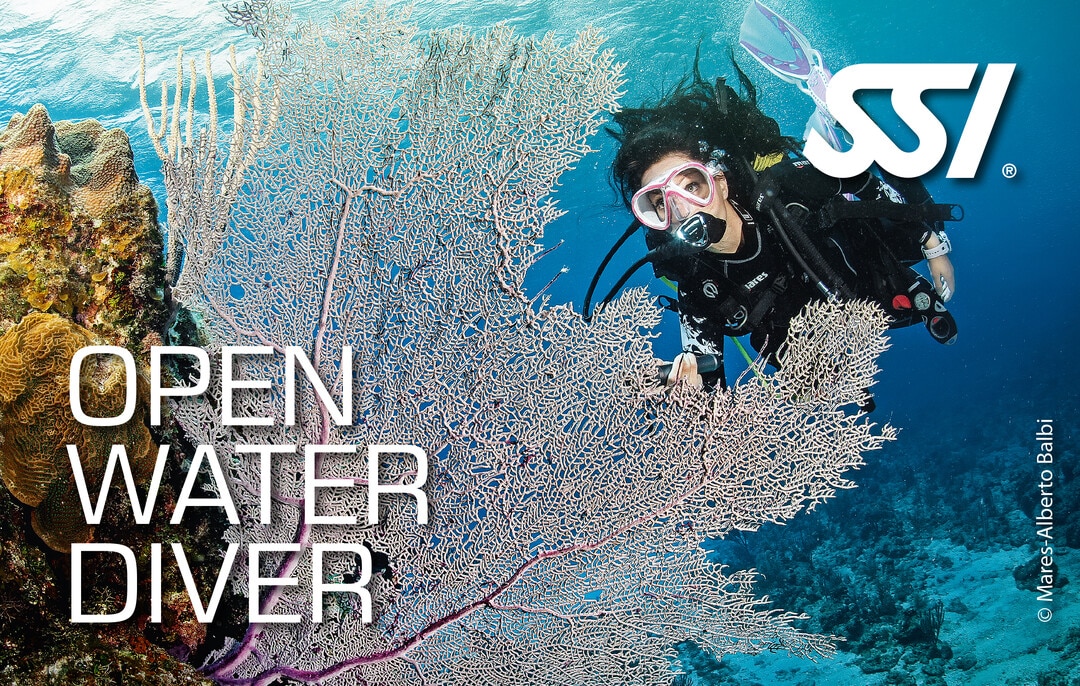
Enrolling in SSI specialty courses Komodo style on board our boutique liveaboard Maria Seascape provides the ideal environment to build advanced dive skills across world-class pinnacles and reef slopes.
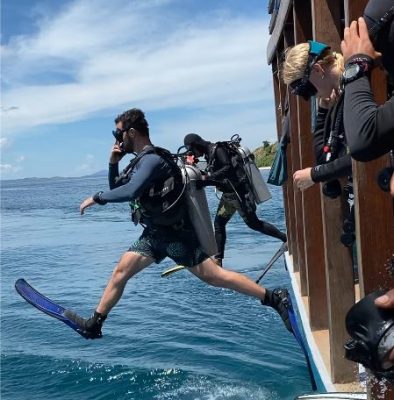
Specialty courses run alongside the normal dive schedule on Maria Seascape — training dives are worked into the same itinerary as the standard trip.
A liveaboard trip is, structurally, the most effective format for completing advanced dive certifications. Instead of rushing between logistics on land, you dive multiple times a day for several consecutive days with the same dedicated instructor, encountering a natural variety of depths, currents, and marine habitats.
On board the Maria Seascape liveaboard, four specialized certifications are in highest demand: Enriched Air Nitrox, Deep Diver, Drift Diver, and Perfect Buoyancy. Each training program directly addresses the real-world conditions you encounter in Komodo National Park.
Why Liveaboard Dive Courses Are the Best Format for SSI Specialty Courses Komodo
Traditional day trip diving requires returning to port each afternoon, which often compresses training briefings and limits dive site selection. In contrast, completing liveaboard dive courses allows students to apply practical theory immediately across diverse topographies without shore delays.
With a maximum of 10 guests on Maria Seascape and a strict ratio of max 4 divers per guide, your instructor provides continuous mentoring from morning briefing to evening debrief. This continuity ensures you master core competencies thoroughly while enjoying an extraordinary holiday.
1. Enriched Air Nitrox: The Essential Nitrox Course Labuan Bajo Divers Choose
Enriched Air Nitrox is the most popular nitrox course Labuan Bajo divers choose when booking liveaboard trips. By breathing gas blends containing 32% or 36% oxygen rather than the standard 21% in atmospheric air, you reduce nitrogen absorption and extend your no-decompression limits significantly.
The academic curriculum covers oxygen partial pressure limits, maximum operating depths (MOD), gas analysis, and dive computer configuration. Because the practical application folds seamlessly into normal dives, taking a nitrox course Labuan Bajo style allows you to enjoy longer bottom times on repetitive afternoon dives without disrupting your schedule.
Liveaboard Advantage: On a 3 or 4-day cruise completing 3 to 4 dives daily, diving on Nitrox significantly enhances safety margins and reduces post-dive fatigue across the entire journey.
2. Deep Diver Course Komodo: Exploring the 40-Metre Frontier
While the SSI Advanced Adventurer course certifies divers to 30 metres, completing a full deep diver course Komodo expands your depth ceiling to 40 metres (130 feet). This extended range opens up deeper coral pinnacles, submerged walls, and dramatic pelagic cleaning stations.

The Deep Diver specialty extends your certified depth range to 40 metres and covers the specific effects of depth — narcosis recognition, gas management, and ascent planning.
In Komodo, premier dive sites like Castle Rock, Crystal Rock, and southern gems like Pillarsteen feature their most vibrant fish action below the 25-metre mark. The deep diver course Komodo curriculum focuses on nitrogen narcosis recognition, redundant gas calculations, conservative ascent protocols, and emergency decompression management through four structured training dives.
Divers learn to calculate exact gas consumption rates (Surface Air Consumption / SAC rates) at depth, plan reserve gas buffers for team ascents, and manage dive computers conservatively during multi-level profiles.
3. Drift Diver Specialty: Mastering Komodo’s Signature Currents
Komodo National Park is world-famous for high-energy tidal currents funnelled between the Indian and Pacific Oceans. Taking a dedicated drift diver specialty equips you with the technique and confidence needed to ride these currents safely rather than fighting against them.
The drift diver specialty syllabus trains you in essential moving-water skills, including:
- Moving-Water Entry & Descent: Executing negative entries and rapid descent protocols to reach the sheltered lee of pinnacles without drifting off site.
- Reef Hook Deployment: Secure anchoring on dead rock substrate during intense currents at sites like Castle Rock and The Cauldron.
- Surface Marker Buoy (SMB) Deployment: Launching delayed SMBs from depth to signal tender boats for rapid pickup in open ocean chop.
- Current Reading: Identifying upwellings, downcurrents, and eddy lines before entering the water.
| Specialty Course | Min. Prerequisite | Training Dives | Key Komodo Benefit |
|---|---|---|---|
| Enriched Air Nitrox | Open Water Diver | Theory + 1-2 dives | Longer bottom times across 3-4 daily dives |
| Deep Diver | Advanced Adventurer | 4 open water dives | Access to 40m pinnacles and deep pelagics |
| Drift Diver | Open Water Diver | 2 open water dives | Mastery of current entry, hooks, and SMB deployment |
| Perfect Buoyancy | Open Water Diver | 2 open water dives | Reduced air consumption and zero reef contact |
4. Perfect Buoyancy: Precision Trim and Marine Conservation
Buoyancy control is the single most valuable technical skill a diver can develop. Taking the Perfect Buoyancy course on liveaboard dive courses allows you to refine weight distribution, horizontal trim, and respiratory pacing under real ocean conditions.
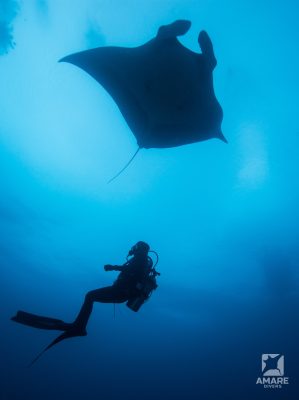
The Buoyancy specialty focuses on trim and control — the skill that has the biggest practical effect on air consumption and reef contact.
Following guidelines from international agencies like SSI and safety protocols from Divers Alert Network (DAN), mastering neutral buoyancy drastically reduces gas consumption and eliminates accidental fin strikes against fragile corals. Divers who practice our buoyancy control 101 principles consistently achieve longer, more relaxing dives.
Combining Specialty Certifications on Maria Seascape Itineraries
Because liveaboard dive courses on Maria Seascape provide between 9 and 13 dives per departure, many guests choose to combine multiple SSI specialty courses Komodo programs during a single voyage.
The most popular combination is pairing Enriched Air Nitrox with either the Drift Diver or Deep Diver specialty. Because Nitrox theory can be completed online before boarding via the SSI digital learning app, your entire time on the water is dedicated to hands-on skill execution across Komodo’s top dive sites.

Maria Seascape offers comfortable staging areas, dedicated camera stations, and professional SSI instruction throughout your cruise.
Our experienced SSI instructors tailor each training session to your personal pace, ensuring you gain verifiable competency, confidence, and international recognition for every card you earn.
Frequently Asked Questions About Specialty Courses on Maria Seascape
Can I complete more than one specialty course during a single liveaboard trip?
Yes. Guests frequently combine Enriched Air Nitrox with either the Drift Diver or Deep Diver specialty on our 3-day and 4-day Maria Seascape departures without extending the overall dive itinerary.
What are the minimum certification prerequisites for these courses?
Open Water Diver certification is required for Enriched Air Nitrox, Drift Diver, and Perfect Buoyancy. The Deep Diver specialty requires an Advanced Adventurer or equivalent certification before commencing 40-metre training dives.
How are specialty training dives integrated into the cruise schedule?
Training dives are integrated directly into the normal cruise itinerary. You dive the same iconic Komodo sites alongside your fellow guests while fulfilling specific training objectives with your SSI instructor.
Which specialty course is most recommended for diving Komodo?
If you choose only one specialty, the Drift Diver specialty is the most practically useful for Komodo, as current diving is the standard operating format across northern and central pinnacles.
Can I complete the academic theory before arriving in Labuan Bajo?
Yes. All SSI digital course materials can be completed on your phone, tablet, or laptop prior to departure, allowing you to maximize your practical diving time once aboard.
Ready to Upgrade Your Diving Skills in Komodo?
Contact Amare Divers to plan your custom SSI specialty training aboard Maria Seascape.

